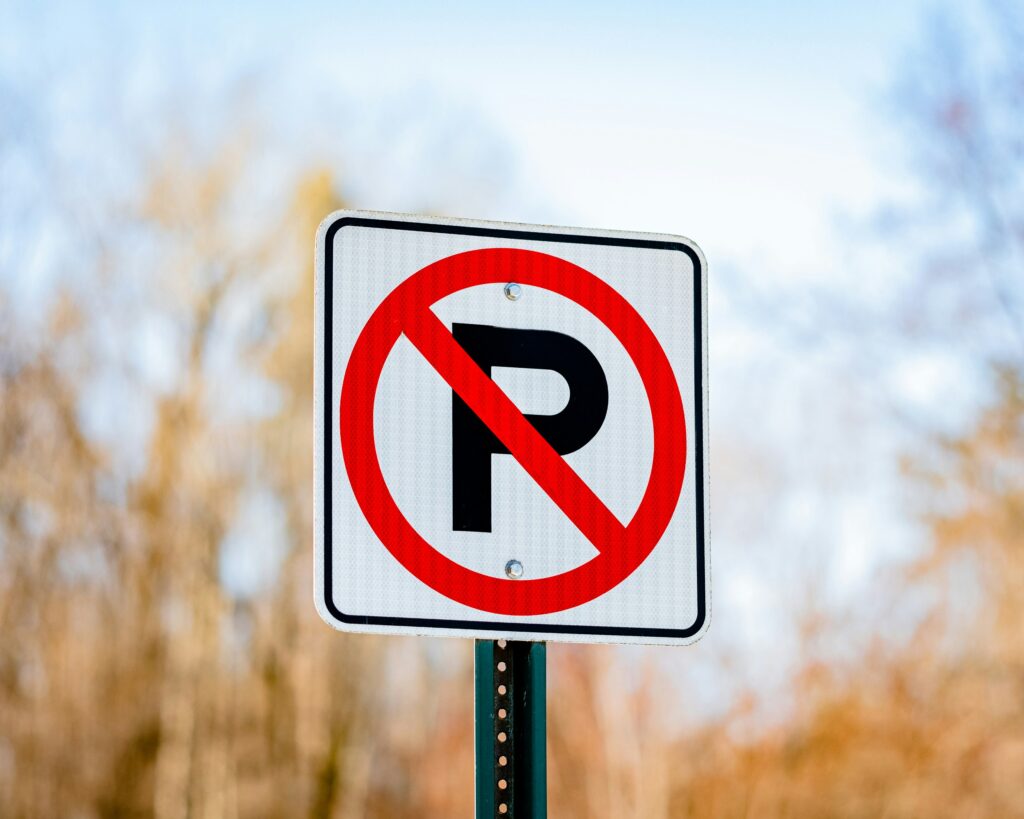
If you’ve received a UK parking ticket and suspect the company has no legal right to issue it, you might be able to appeal on the basis of operator authority—also called ‘locus standi’. This defence questions whether the parking operator had legal standing to issue and enforce parking charges. These appeals can work for both council-issued PCNs and private parking charges. But success depends on asking the right questions and acting quickly.
Check your appeal in 60 seconds →
How parking operator authority challenge appeals work in that location
Because this principle applies across both public and private parking penalties, this guide covers UK-wide procedures. Locus standi challenges focus on whether the operator has the right to enforce parking terms on that land. This could be because they don’t own it or lack a valid contract with the landowner.
If the ticket is from a private operator like ParkingEye or NCP, you usually appeal first to the operator and then escalate to POPLA (BPA members) or the Independent Appeals Service (IPC members). If your appeal is to POPLA or IAS, you generally have 28 days after your rejection.
For council-issued PCNs, you can request proof of authority to enforce restrictions. These appeals go through London Tribunals or the Traffic Penalty Tribunal, depending on location.
Typical deadlines:
– Informal appeal: within 14 days for possible 50% discount
– Formal appeal: up to 28 days from issue
– Tribunal submission: usually within 28 days of formal rejection
Common win reasons include:
– Operator cannot show valid landowner contract
– Signage did not clarify terms or the operator responsible
– Misleading or missing enforcement authority in correspondence
Official portals:
– Councils use apps or postal services—find your council portal via https://www.gov.uk/parking-tickets
– Private POPLA appeals: https://www.popla.co.uk
– Private IPC appeals via IAS: https://theias.org
– London Tribunals: https://www.londontribunals.gov.uk
– Traffic Penalty Tribunal: https://www.trafficpenaltytribunal.gov.uk
Evidence checklist for UK-wide
When challenging on operator authority or locus standi, collect the following:
– Photos of signage and bay markings
– Photos with visible timestamps of parking and return
– App screenshots or machine receipts confirming payment
– Any evidence of machine fault (e.g. error messages)
– VRM confirmation if there’s a registration mistake
– Any communication from operator mentioning landowner
– Contract proof request—operator’s contract/redacted agreement
– Witness statements or medical documentation, if relevant
– Copies of letters or notices received from the operator
Step-by-step: appeal a parking operator authority challenge ticket
1. Informal challenge
Send an informal representation if the PCN allows it (typically council-issued). Mention lack of clear signage and question the operator’s legal authority to issue the ticket. Do this within 14 days to retain discount rights, if applicable.
2. Formal appeal
If the informal appeal is rejected or not available (common for private tickets), you’ll need to follow formal processes. For councils, this usually means submitting a formal representation via their portal. For private operators, use their published process via email or post—then wait for their rejection notice.
3. Tribunal / POPLA / IAS
If your formal appeal is rejected:
– Council PCNs go to London Tribunals or Traffic Penalty Tribunal
– Private BPA members = POPLA (https://www.popla.co.uk)
– Private IPC members = IAS (https://theias.org)
Tribunal appeals must be submitted within 28 days of rejection.
Deadlines
– Private appeals: usually no discount, full charge challenged
– Council PCNs: challenge within 14 days keeps discount alive until response
– After Notice of Rejection: 28 days to escalate to adjudication or tribunal
Examples that often win in that location
Here are a few common scenarios across the UK where authority challenges succeed:
1. No evidence of landowner authority
Operators are required by law or code of practice to show they are allowed to enforce or charge—if they can’t, the ticket may be invalid.
Appeal line: Please provide the landowner agreement showing your authority to issue charges at this location.
2. Vague or misleading signage
If there’s no operator name on the signs, it’s hard to determine who has enforcement rights.
Appeal line: Signage does not identify the operator, making it unclear who is enforcing terms or has standing.
3. Third-party agent acting without proof
Some operators act as agents for landowners but fail to supply agency agreements when requested.
Appeal line: Please provide a clear and signed authorisation from the landowner allowing you to issue charges.
4. Private ticket on council-managed land
This can happen at hospitals or retail parks—if the land is publicly maintained, private enforcement may not be lawful.
Appeal line: Please confirm whether the land in question is public domain and who holds enforcement authority.
5. Contract expired or improperly signed
Tribunals have dismissed charges where contracts between landowner and operator were outdated, unsigned or conditional.
Appeal line: Requesting a full unredacted contract with date, signatory and terms proving enforcement rights on the date of contravention.
FAQ’s
How do I know if the operator had authority?
You’re entitled to ask for proof of their contract with the landowner. Operators must provide this when requested, especially if you challenge them or escalate your appeal.
Does raising an authority challenge affect the appeal deadline?
No—you still need to meet all appeal deadlines. Questioning authority is part of your appeal, not a reason to delay it.
Will the operator send a copy of the contract?
Often they refuse or provide redacted versions. For POPLA and tribunal appeals, lack of proper evidence can work in your favour.
Who decides disputes about operator authority?
For private charges, POPLA or IAS decides. For councils, it’s an independent tribunal (London Tribunals or Traffic Penalty Tribunal).
What if I ignore a parking charge?
It can escalate to debt recovery or court, especially for private tickets. It’s safer to appeal or pay than to ignore.
Can this work for ANPR camera tickets?
Yes, but be sure to also check signage and whether the operator has sufficient landowner evidence to operate cameras.
Free vs Paid
FREE
You can appeal yourself using:
– The official forms and council/operator portals
– The checklist above to prepare your documents
– Templated text to request landowner agreement
– FineFighter’s free guides:
– Council PCN: https://www.finefighter.co.uk/guides/council-pcn-appeal
– Private tickets: https://www.finefighter.co.uk/guides/private-parking-appeal
– Evidence tips: https://www.finefighter.co.uk/guides/evidence-and-deadlines
– Signage guide: https://www.finefighter.co.uk/guides/signage-and-grace-periods
PAID (FineFighter)
Let FineFighter handle it for you:
– Auto-generated letter tailored to the operator
– Legal structure to maximise chances of success
– Built-in request for landowner agreement
– Deadline tracking and tribunal-ready pack
– Access the no-win-no-fee upgrade
CTAs
Top: Check your appeal in 60 seconds →
Mid: Generate your tailored letter now
Bottom: Win more appeals with FineFighter (from £4.99) — no-win-no-fee option available
Links to add
GOV.UK parking tickets — https://www.gov.uk/parking-tickets
London Tribunals — https://www.londontribunals.gov.uk
Traffic Penalty Tribunal — https://www.trafficpenaltytribunal.gov.uk
POPLA — https://www.popla.co.uk
Independent Appeals Service (IAS) — https://theias.org
British Parking Association (BPA) — https://www.britishparking.co.uk
International Parking Community (IPC) — https://theipc.info
FineFighter: Council PCN guide — https://www.finefighter.co.uk/guides/council-pcn-appeal
FineFighter: Private parking appeal guide — https://www.finefighter.co.uk/guides/private-parking-appeal
FineFighter: Evidence & deadlines — https://www.finefighter.co.uk/guides/evidence-and-deadlines
FineFighter: Signage & grace periods — https://www.finefighter.co.uk/guides/signage-and-grace-periods